
.png)
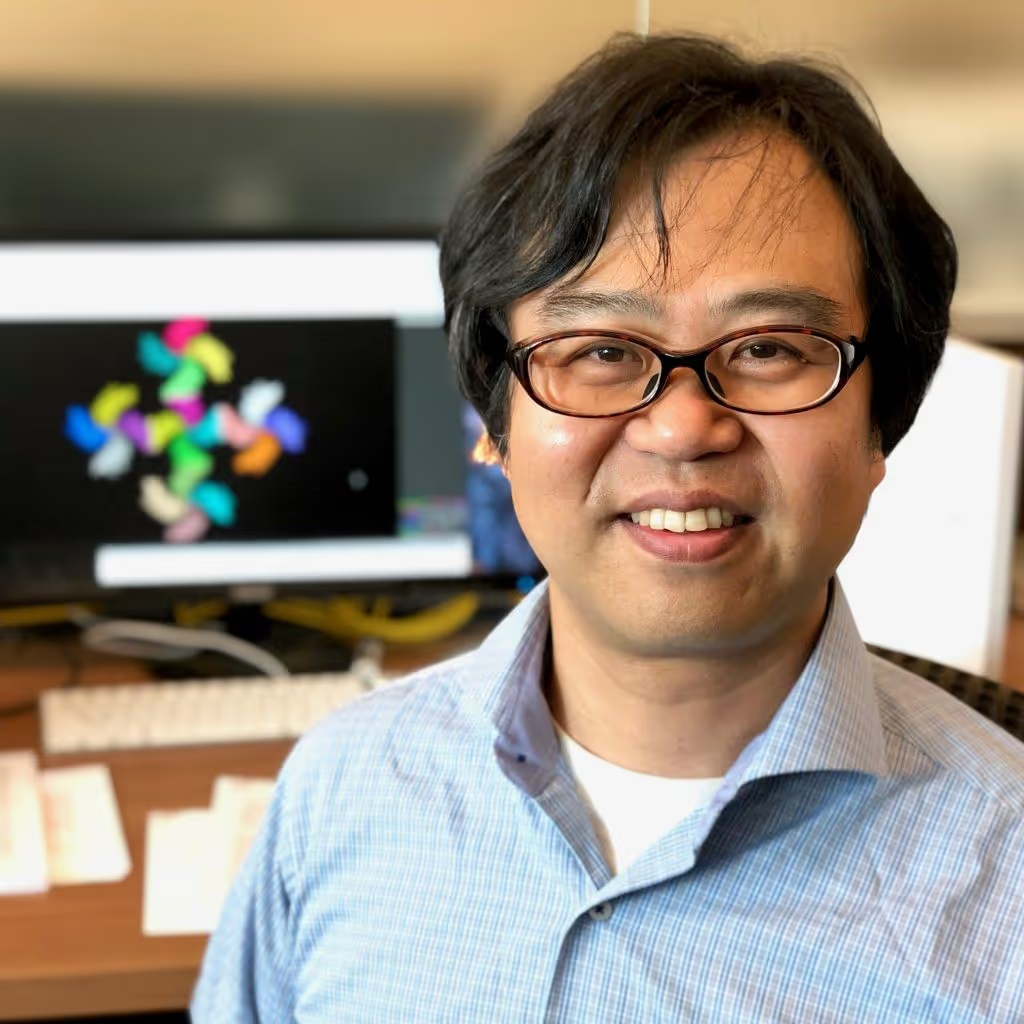
Designation: Associate Professor
Affiliation: Department of Biomolecular Innovation, Institute for Biomedical Sciences, ICCER, Shinshu University, Japan
Lab: Arai Laboratory
About the PI: Read here
Research Introduction: The Arai Laboratory conducts research on proteins from the perspectives of both structural biology and protein engineering.In the field of structural biology, we analyze the three-dimensional structure of proteins using techniques such as X-ray crystallography, small-angle X-ray scattering, and cryo-electron microscopy. Our goal is to understand the biological functions of proteins at the molecular and atomic levels. In the field of protein engineering, we use genetic engineering techniques to design and develop modified proteins, fusion proteins, and novel artificial proteins. Our aim is to create useful artificial proteins that can be applied in industries and pharmaceuticals in the future.
%20(1).avif)
Designation: Assistant Professor
Affiliation: Małopolska Center of Biotechnology, Jagiellonian University, Poland
Lab: Azuma Group
About the PI: Read here
Research Introduction: Our research team seeks to uncover the protein cage's potentials as powerful tools for molecular and synthetic biology. We are preliminarily focusing on a cage-forming lumazine synthase and exploiting and expanding the protein cages through redesign and directed evolution. Namely, current projects are aimed (i) to develop a method for directed evolution of proteins; (ii) to establish a new biotechnology for heterologous protein production; and (iii) to understand the theory underlying the hierarchical assembly for future artificial compartment designs. We anticipate that our protein cage-based biotechnologies will contribute significantly to the development of interdisciplinary research realms ranging from basic biophysics, chemistry to therapeutics.
%20(1).avif)
Designation: Professor
Affiliation: Institute of Protein Design, University of Washington, USA
Lab: Baker Lab
About the PI: Read here
Research Introduction: We develop protein design software and use it to create molecules that solve challenges in medicine, technology, and sustainability. By iterating between computation and laboratory experiments, we continually improve our protein design methods.

Designation: Professor
Affiliation: Institute of Physical Chemistry, University of Hamburg
Lab: Beck Group
About the PI: Read here
Research Introduction: The Beck group works in the field of protein-based nanomaterials. We use protein containers to assemble inorganic nanoparticles into highly structured materials. A range of techniques is employed: protein design using computational tools, protein production and purification, nanoparticle synthesis and nanoparticle assembly with crystallization methods. Characterization of the materials is carried out with X-ray crystallography, electron microscopy and small angle X-ray scattering.

Designation: Associate Professor of Chemistry
Affiliation: Department of Chemistry, National Institute of Technology Rourkela, Sundargarh, Odisha, India
Lab: Chemical Biology/Bio-inorganic Lab, NIT Rourkela
About the PI: Read here
Research Introduction: Bio-inorganic Chemistry - Ferritin nanocage and its application in health and technology, Role of Heme in Bacterioferritin, Electron transfer in protein.

Designation: Senior Researcher
Affiliation: Centre national de la recherche scientifique (CNRS), France
Lab: LCPO Team 3, Polymer self-assembly and life sciences
About the PI: Read here
Research Introduction: Synthesis, characterization and application of protein-like polymers towards macromolecular therapeutics, nanomaterials/nanocomposites and bioactive scaffolds.
.avif)
Designation: Professor
Affiliation: Faculty of Medicine, National Autonomous University of Mexico, Mexico
Lab: Laboratorio de Fisicoquímica e Ingeniería de Proteínas (LFQIP)
About the PI: Read here
Research Introduction: Biocatalysis; allosteric enzymes; supramolecular biochemistry.
Designation: Senior Lecturer
Affiliation: School of Life Science, University of Technology Sydney, Australia (UTS)
Lab: UTS Biologics Innovation Facility (BIF)
About the PI: Read here
Research Introduction: Our lab develops novel nanotechnologies by combining the fields of nanomedicine, materials science, synthetic biology, pharmacology, and cancer/neuro-biology.

Designation: Professor
Affiliation: School of Medicine, University of Texas Rio Grande Valley, USA
Lab: South Texas Center of Excellence in Cancer Research
About the PI: Read here
Research Introduction: Primary research interest of Dr. Chauhan's lab is to identify and characterize the diagnostic and therapeutic targets for cancer. This research is aimed for the identification and characterization of biomarkers that aberrantly express or localize in cancer cells to develop newer tools for early disease diagnosis. We are utilizing genomics and proteomics approach for identification of novel early diagnostic markers.
Designation: Professor
Affiliation: Department of Molecules & Materials, University of Twente, Netherlands
Lab: BNT Group (Biomolecular Nanotechnology Group)
About the PI: Read here
Research Introduction: The goal is to use biological principles as a guidance towards the design of self-assembled, multifunctional and responsive materials in which biomolecules or bio-inspired architectures are used as building blocks. We employ protein building blocks to form nanometer-sized reactors and use the highly symmetric properties of these protein cages as scaffolds for functional materials.

Designation: Professor
Affiliation: Department of Chemistry, University of Pennsylvania, USA
Lab: The Dmochowski Research Group
About the PI: Read here
Research Introduction: Our lab is developing chemical and biophysical tools to study and manipulate complex biological systems. Projects span many areas of synthetic organic, inorganic, and biophysical chemistry; molecular, cell, and developmental biology; and bioengineering. We are particularly interested in developing new technologies for biomolecular imaging and the fabrication of functional bio-nanomaterials.

Designation: Professor
Affiliation: Department of Chemistry, Indiana University Bloomington, USA
Lab: Dragnea Group
About the PI: Read here
Research Introduction: Professor Dragnea's lab is interested in the physics and chemistry of mesoscale materials which have properties that are often very different from both bulk and single molecules, due to the dominance of interfacial effects and/or coordinated collective behavior. The group develops optical characterization methods and experimental models aimed at understanding phenomena in thermoplasmonics, room-temperature super-radiance, and virus mechanics and self-assembly.

Designation: Assistant Professor
Affiliation: National University of Singapore
Lab: CDrum Lab
About the PI: Read here
Research Introduction: Rational protein engineering for therapeutic delivery and industrial bioproduction,Ultra sensitive mass spectrometric analysis enables small analysis from microlitre biosamples, Clinical trials to predict adverse drug reactions.

Designation: Professor
Affiliation: Department of Chemistry, Indiana University Bloomington, USA
Lab: Douglas Group - Biomimetic Chemistry Lab
About the PI: Read here
Research Introduction: The Douglas group has pioneered the use of viruses as supramolecular platforms for synthetic manipulation with a range of applications from materials to medicine. Through understanding the inherent properties of these cage-like architectures, which include high symmetry and self-assembly, we have exploited their use as synthetic templates for modification and molecular design. An appreciation of these properties has resulted in a paradigm shift from the study of viruses as purely disease-causing agents to highly useful supramolecular assemblies, which can be chemically and genetically modified. Future synthetic manipulation can impart new function to these architectures, combining the best of evolution and directed synthetic design. This work is providing new avenues of exploration in a variety of areas and is exciting for its interdisciplinary impact and applications.

Designation: Assistant Professor
Affiliation: University of Michigan Medical School, USA
Lab: Giessen Lab
About the PI: Read here
Research Introduction: We are interested in the structure, function, and engineering of protein compartments, protein organelles, protein machines, and enzyme filaments. The systems we work on are involved in various aspects of microbial metabolism, including detoxification, stress resistance, nutrient utilization, and natural product biosynthesis. Our engineering and synthetic biology work is focused on nanocarriers for therapeutics delivery, enzyme nanoreactors for biocatalysis, and nanotechnological tool development for basic science applications.

Designation: Professor of Chemistry
Affiliation: Department of Applied Chemistry, Graduate School of Engineering, Osaka University, Japan
Lab: Hayashi Lab
About the PI: Read here
Research Introduction: Metalloproteins are attractive biomolecules, because a metal ion in a protein matrix have a great potential to provide catalytic, sensing and/or storage properties. Our group has focused on understanding the molecular mechanism of several heme and nonheme proteins and modifying those metalloproteins to generate new nanobiomaterials.

Designation: Professor
Affiliation: Department of Biosciences, Durham University, UK
Lab: Heddle Lab
About the PI: Read here
Research Introduction: My group's research focus is on understanding and building natural and artificial biological nanomachines. We are interested in using biochemical, biophysical and structural biology tools to understand complex machine-like enzymes and use the same tools to investigate the function of artificial nanosystems which are built from protein, nucleic acid and lipid components.

Designation: Professor
Affiliation: Department of Chemistry and Applied Biosciences, ETH Zurich, Switzerland
Lab: The Hilvert / Kast Group
About the PI: Read here
Research Introduction: We are using chemical biology tools to understand and engineer proteins for various applications. The research topic involves Designer Enzymes, Megaenzyme Engineering and Protein Cages.

Designation: Associate Professor
Affiliation: University of Florida, USA
Lab: Hudalla Lab
About the PI: Read here
Research Introduction: Dr. Hudalla's research creates functional biomaterials for therapeutic or diagnostic applications via molecular self-assembly. The Hudalla laboratory develops synthetic peptides that can assemble into a desired nano-scale architecture, and then uses these peptides as "tags" to organize biologically active molecules into functional nanomaterials. For example, their work has led to glycosylated nanofibers that inhibit the immunomodulatory activity of galectins, a family of carbohydrate-binding proteins. In another project, they combine enzymes and carbohydrate-binding proteins into catalytic nanomedicines that are anchored to tissues at an injection site via binding to extracellular carbohydrates. Hudalla's long-term goals are to create biomaterials that can modulate immune responses for the treatment of autoimmune diseases and aberrant inflammation.
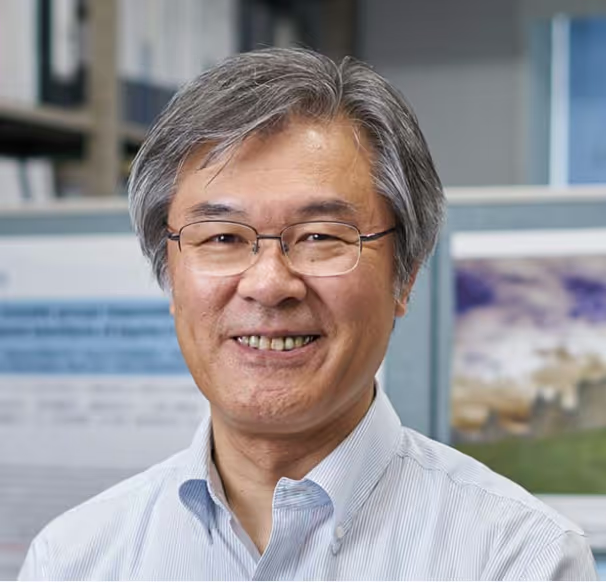
Designation: Professor
Affiliation: Department of Bioinformatics, Soka University, Japan
Lab: Protein Design Laboratory, Soka University
About the PI: Read here
Research Introduction: Our research aim is to understand how proteins acquire their unique three-dimensional structures and how they assemble to form supramolecular structures. Understanding of the protein folding and assembly mechanism is also essential for a rational design of artificial proteins.

Designation: Researcher level A (Equiv. Associate Professor)
Affiliation: Head of the Department of Bionanotechnology, Center of Nanoscience and Nanotechnology (CNyN-UNAM)
Lab: Center of Nanoscience and Nanotechnology
About the PI: Read here
My group focuses on the rational design and engineering of virus-like particles (VLPs) as smart platforms for targeted therapeutic delivery and advanced biomedical applications. We are also interested in developing biocatalytic nanoreactors for therapeutic and industrial applications, engineering nano–bio interfaces through surface modification and biofunctionalization strategies, and creating sustainable carbon nanomaterials from PET plastic waste. More recently, we have expanded to biomolecule-assisted synthesis of hierarchical metallic nanostructures with enhanced physicochemical properties for applications in bioelectronics, biosensing, and nanomedicine. Through these interdisciplinary efforts, our research aims to bridge protein nanotechnology, catalysis, and functional nanomaterials to address challenges in healthcare, sustainability, and next-generation bioelectronic devices.
Designation: Assistant Professor
Affiliation: Department of Biosciences and Informatics, School of Fundamental Science and Technology, Keio University, Japan
Lab: Laboratory of Biotechnology and Biocatalysis (Miyamoto Group)
About the PI: Read here
Research Introduction: We have been designing artificial proteins spontaneously assembled to form spherical shape supramolecules. We are also interested in developing the application of these protein nanoparticles that are potentially useful tools for meso-scale, between nano- and micro-scale, material fabrication.
Designation: Professor
Affiliation: Institute of Protein Design, University of Washington, USA
Lab: King Lab
About the PI: Read here
Research Introduction: Designing protein-based nanomaterials for medical applications, Computational design of self-assembling protein nanomaterials, Structure-based design of self-assembling immunogens, Design of protein-based hybrid biomaterials.

Designation: Associate Professor
Affiliation: School of Chemistry, Chemical Engineering and Biotechnology, Nanyang Technological University, Singapore
Lab: SLim Research Group
About the PI: Read here
Research Introduction: SLim Research Group focuses on the molecular and cellular engineering of biological entities (proteins, cellulose, and microbes) to develop technologies for applications in health and environment. In the protein cage field, the group (1) explores the assembly mechanism, charge transport, and the behavior at liquid/liquid interface, (2) designs moieties for cellular targeting, and (3) develops formulations using protein cages. Her group has filed multiple technology disclosures on the matter with issued patents:
• Specific internalization of nanoparticles into protein cages
• Nanocapsules carrying chikungunya-associated peptides
• Targeting of melanocytes for delivering therapeutic or diagnostic agents using protein nanocages
• Protein cage-stabilized pickering emulsions and the use thereof
The group collaborates extensively with teams with expertise in characterization techniques. In addition, the SLim Research Group also works on bacterial cellulose bioengineering and enzymatic plastic degradation.

Designation: Assistant Professor
Affiliation: School of Life Science and Technology, Tokyo Institute of Technology, Japan
Lab: Ueno Laboratory
About the PI: Read here
Research Introduction: 1. Artificial metalloenzymes. 2. Protein engineering of supramolecular proteins. 3. Organometallic compounds functionalized in living cells. 4. Coordination chemistry in protein cages.
Designation: Professor
Affiliation: Instituto de Investigaciones en Materiales, National Autonomous University of Mexico, Mexico
About the PI: Read here
Research Introduction: Soft condensed matter physics includes polymers, colloids and liquid crystals, Colloidal self-assembly, Rheology and Virological physics.

Designation: Assistant Professor
Affiliation: Department of Molecules & Materials, University of Twente, Netherlands
Lab: BNT Group (Biomolecular Nanotechnology Group)
About the PI: Read here
Research Introduction: The goal is to use biological principles as a guidance towards the design of self-assembled, multifunctional and responsive materials in which biomolecules or bio-inspired architectures are used as building blocks. We employ protein building blocks to form nanometer-sized reactors and use the highly symmetric properties of these protein cages as scaffolds for functional materials.

Designation: Professor
Affiliation: Department of Biosciences and Informatics, School of Fundamental Science and Technology, Keio University, Japan
Lab: Laboratory of Biotechnology and Biocatalysis (Miyamoto Group)
About the PI: Read here
Research Introduction: The major research project is the biotransformation of synthetic substrates. A variety of compounds can be transformed by enzymatic reactions. It is possible to design the structure of the substrates and the enzyme itself by protein engineering. Thus, this is a convenient method to understand the function of life in molecular level. As this kind of transformations can be performed under mild conditions, they are expected to contribute to sustainable green chemistry.

Designation: Professor
Affiliation: National Institute for Physiological Sciences (NIPS), Division of Structural Biology, Japan
Lab: Murata Lab
About the PI: Read here
Research Introduction: We investigate structures of biomolecules, biomacromolecular complexes, and cellular architecture using electron microscopy, and reveal a relationship between the structure and the function.

Designation: Professor
Affiliation: University of Twente, Netherlands
Lab: Hybrid Materials for Opto-Electronics Group (HMOE)
About the PI: Read here
Research Introduction: Charge transport and light-matter interactions go hand-in-hand and are important in areas of science ranging from biology, green energy and energy storage, catalysis, chemistry, physics, to nano-electronics and modern day data processing. In the context of the latter, one of the key challenges is to interface optics with nanoscale electronics. In my group we have been studying the mechanisms of charge transport and light-matter interactions in nanoscale tunnelling junctions where quantum effects dominate.

Designation: Associate Professor
Affiliation: Department of Applied Chemistry, Graduate School of Engineering, Osaka University, Japan
Lab: Hayashi Lab
About the PI: Read here
Research Introduction: Biological Inorganic Chemistry, Supramolecular Chemistry, Protein Engineering, Nano-biotechnology.
Designation: Assistant Professor
Affiliation: Mechanical and Aerospace Engineering Department, University of Central Florida, USA
Lab: Luigi E. Perotti Group (Computational Biomechanics Lab)
About the PI: Read here
Research Introduction: Our research focuses on understanding the mechanisms governing macro- and micro-scale biological systems using the tools of continuum and computational solid mechanics. In particular, we are interested in cardiac mechanics and electrophysiology, and in the assembly and maturation of viral capsids and the morphing/deployable structures they inspire.

Designation: Professor
Affiliation: Zernike Institute for Advanced Materials, University of Groningen, Netherlands
Lab: Roos Group (Molecular Biophysics Lab)
About the PI: Read here
Research Introduction: The research in the Molecular Biophysics lab ranges from molecular to systems size levels. In particular, we study the structure and mechanics of viral capsids, their interaction with host cell molecules and the mechanisms of nanoparticle self-assembly. Viral assembly and genome-capsid interactions are closely related and for many viruses assembly is crucially dependent on the encapsulated cargo. We study this assembly and the related cargo-capsid interactions with various biophysical techniques, including (high-speed) atomic force microscopy, optical tweezers and fluorescence microscopy.
.avif)
Designation: Research Leader
Affiliation: Griffith Institute for Drug Discovery, Griffith University, Australia
Lab: Sainsbury Group
About the PI: Read here
Research Introduction: Virus capsid assembly pathways and products, Plant virology and biotechnology, Nanocompartments for enhanced biocatalysis, Engineering Liquid-liquid interfaces.

Designation: Professor
Affiliation: Department of Chemistry, University of Fribourg, Switzerland
Lab: Salentinig Group, Biocolloids Lab
About the PI: Read here
Research Introduction: Our research interests include (directed) self-assembly and disassembly processes for the bottom-up creation of new adaptive, programmable bio-nano interfaces. We are also active in the modification and integration of scattering, spectroscopy and microscopy techniques to advance the comprehensive design and characterisation of material interactions across boundaries - on the molecular, structural and the cellular level.
.jpeg)
Designation: Assistant Professor
Affiliation: School of Chemistry, Chemical Engineering and Biotechnology , Nanyang Technological University
Lab: Smith Lab
About the PI: Read here
Research Introduction: Dr. Sheena N. Smith is a newly appointed Assistant Professor of Biotechnology in the School of Chemistry, Chemical Engineering and Biotechnology (CCEB) at Nanyang Technological University (NTU), Singapore. She earned her Ph.D. in Biochemistry from the University of Illinois at Urbana-Champaign (USA) and completed postdoctoral training under Prof. Andreas Plückthun at the University of Zürich (Switzerland). She now leads a growing research programme at the interface of cell and gene therapy (CGT), protein engineering, and synthetic biology to overcome critical barriers in therapeutic delivery. She is a co-inventor of the SHREAD (SHielded, REtargeted ADenovirus) gene therapy platform for localised therapeutic delivery, and previously led its translational development at a Swiss biotech company. Now establishing her independent research programme at NTU, Dr. Smith is expanding her work into engineering new systems for targeted delivery to the brain, with applications in neurological diseases and neurooncology. Her goal is to enable more effective and safe use of next-generation therapeutic modalities—including genome editing machinery, complex immunotherapeutic combinations, and programmable gene circuits—by developing advanced delivery systems that bridge the gap between bench and bedside for emerging technologies.

Designation: Professor
Affiliation: Department of NanoEngineering, University of California, San Diego, USA
Lab: Steinmetz Lab
About the PI: Read here
Research Introduction: Steinmetz's research program focuses on the engineering of plant virus-based nanomaterials targeting human and plant health applications, such as drug delivery, molecular imaging, and next-generation vaccines and immunotherapies.
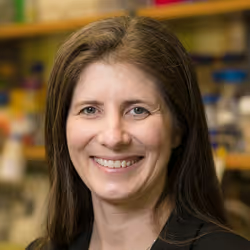
Designation: Professor
Affiliation: Department of Chemical and Biological Engineering, Northwestern University, USA
Lab: Tullman-Ercek Group, Laboratory for Engineering Membrane Proteins and Protein Membranes
About the PI: Read here
Research Introduction: We study highly organized, self-assembling protein systems – the nanoscale building blocks of biology. Our current model systems include protein containers such as the MS2 viral capsid and bacterial organelles called microcompartments, and membrane protein machines such as the type III secretion system.
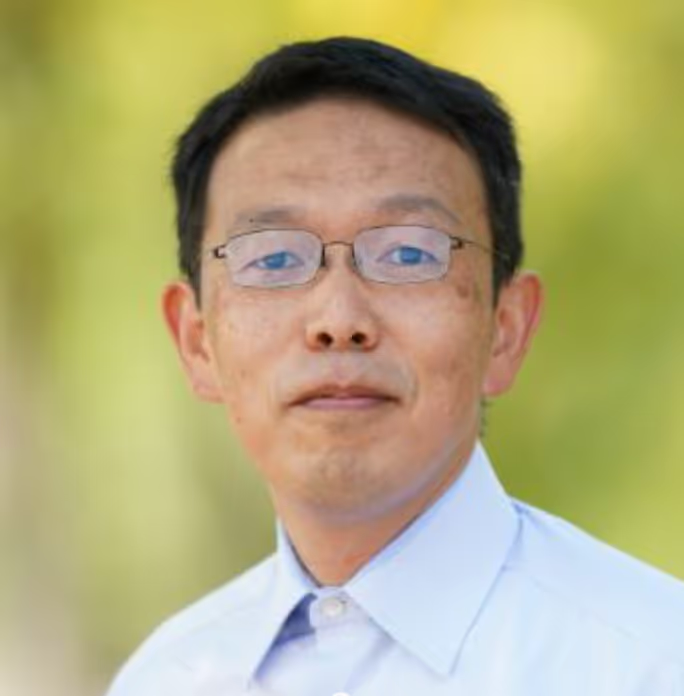
Designation: Assistant Professor
Affiliation: Department of Chemistry and Biochemistry, California State University, Fresno, USA
Lab: Uchida Lab
About the PI: Read here
Research Introduction: 1) Utilization of protein cages as platforms for making functional nanomaterials. 2) Controlled assembly of protein building blocks into higher order structures. 3) Exploring interaction between proteins and inorganic materials to design new hybrid materials.

Designation: Professor
Affiliation: School of Life Science and Technology, Tokyo Institute of Technology, Japan
Lab: Ueno Laboratory
About the PI: Read here
Research Introduction: In our group, we focus on protein assemblies that are used as functional materials in various places in nature. We are advancing their engineering, precise structural analysis, computational design, and functional analysis using molecular dynamics methods. Through the unique ideas of lab members, we are continuously creating innovative functional protein materials that solve biotechnology and energy problems, such as molecular machines that move precisely, artificial enzymes that surpass natural ones, and molecular cages that can stably preserve target proteins without the need for purification.

Designation: Professor
Affiliation: Faculty of Life Sciences, University of Siegen, Germany
Lab: Uetrecht Group
About the PI: Read here
Research Introduction: We focus on assembly of norovirus particles and coronaviral replication complexes. The underlying structural dynamics are investigated by applying state-of-the-art structural mass spectrometry. Furthermore, we develop mass spectrometry techniques to improve the structural resolution and to enable single molecule imaging at X-ray free-electron lasers.

Designation: Professor
Affiliation: Samueli School of Engineering, University of California, Irvine, USA
Lab: Wang Lab
About the PI: Read here
Research Introduction: Research in Wang's group couples the principles of self-assembly with nature-inspired macromolecular systems to engineer new materials and therapeutic strategies. The approach in Wang's research uses the detailed control that genetic engineering provides in defining the polymeric architecture of proteins, and unites this with synthetic strategies that broaden the scope of chemical functionality. This enables a better understanding of the relationship between molecular organization and material characteristics, which can then be used towards designing new material properties.The research group is currently investigating (1) the fabrication of inorganic nanoarrays using biological templates, (2) the design of nanoscale protein complexes for molecular transport of molecules, and (3) the development of novel biopolymers for drug delivery. These studies have relevance in technological areas that include pharmaceutics, tissue engineering, biosensors, and electronic and optical devices.

Designation: Professor
Affiliation: Physics of Living Systems Section, Vrije Universiteit Amsterdam, Netherlands
Lab: Gijs Wuite Laboratory
About the PI: Read here
Research Introduction: The research in our group focuses on exploring DNA-proteins interactions and biophysical/biomechanical properties of viral capsids & cells. The aim is to work with increasingly more complex assemblies of proteins in order to investigate the emergent properties from these systems. This approach bridges experimental systems biology and single-molecule manipulation techniques. We use a variety of techniques such as optical tweezers, AFM and single-molecule fluorescence as well as combinations of these techniques. The data obtained are related to biochemical studies and used for theoretical modeling.

Designation: Associate Professor
Affiliation: School of Physical & Mathematical Sciences, Nanyang Technological University, Singapore
Lab: Mathematical AI for Molecular Sciences Group
About the PI: Read here
Research Introduction: Prof Xia's group focuses on Mathematical AI for Molecular Sciences. We use computational tools from PDE, differential geometry, algebraic topology and statistical learning to study the material, chemical and biomolecular structure, flexibility, dynamics, and functions. In particular, we are interested in topological data analysis (TDA) and generalized persistent models, TDA-based machine learning/deep learning models, and their applications in perovskite design, catalyst design, polymer design, drug design, biomolecular interaction analysis, chromosome structure analysis, and more generally molecular data analysis from materials, chemistry, and biology.
Designation: Associate Professor
Affiliation: Associate Head of School (Community and External Engagement)The University of Sydney, School of Chemistry, Australia
Lab: Lau research group
About the PI: Read here
Research Introduction: Assoc. Prof. Yu Heng Lau leads the Laboratory of Chemical and Synthetic Biology in the School of Chemistry. He completed his PhD at the University of Cambridge, developing new chemical methods for synthesising peptide-based therapeutics. He then moved to Harvard Medical School as a Sir Henry Wellcome Postdoctoral Fellow in the field of synthetic biology, building recoded synthetic genomes in bacteria and engineering self-assembling protein nanocompartments in yeast. At Sydney, he has held ARC DECRA, Westpac, and NHMRC Investigator Research Fellowships.The Lau group uses a combination of organic chemistry and synthetic biology to control the architecture of natural proteins and peptides to create new medicines and catalysts.We are always interested in welcoming enthusiastic and talented individuals from diverse backgrounds to join our team! We are looking for PhD applicants who have an outstanding academic or research track record to apply for scholarship funding.
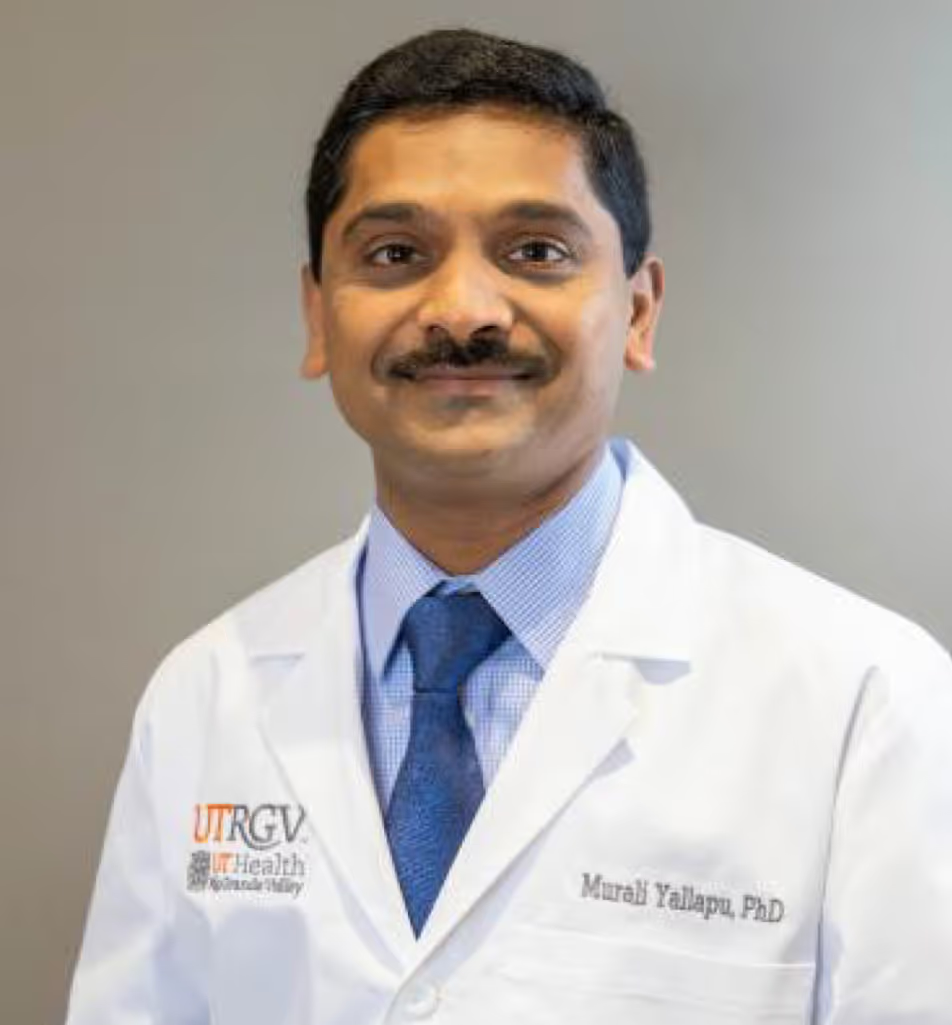
Designation: Associate Professor
Affiliation: School of Medicine, University of Texas Rio Grande Valley, USA
Lab: South Texas Center of Excellence in Cancer Research
About the PI: Read here
Research Introduction: My laboratory research goal is to study the fate of nanoformulations that leads to novel insights of various biological factors and properties responsible for effective and targeted delivery and treatment. At the translational front, my work focuses on identification of novel therapeutic treatment strategies including development of targeted delivery and immunotherapy systems for therapeutic macromolecules; designing of anti-tumor drug formulations for improving targetability and efficiency; developing novel multi-functional self-assembling polymer materials; and novel applications of these materials for photodynamic, hyperthermia and imaging in cancer therapeutics. The overall goal of my research is to use these studied materials to devise advanced delivery and immunotherapy systems that can be tailored to meet the needs ofindividual cancer patient.
Designation: Professor
Affiliation: College of Food Science and Nutritional Engineering, China Agricultural University, China
About the PI: Read here
Research Introduction: Protein Nutrition: Investigating the absorption mechanisms of essential nutrients like iron and zinc to address prevalent deficiencies in the Chinese population, aiming to develop improved nutritional supplements. Bio-Nanomaterial Development: Studying how proteins self-assemble to create intelligent bio-nanomaterials for diverse medical applications, such as targeted drug delivery and diagnostics, by harnessing principles from natural protein structures.